

Monofilament Fishing Line: Why It Remains So Popular Among Anglers
At Casa Ibrahim, we’ve been supplying fishing tackle to Goan anglers for years, and one pattern keeps repeating: no matter how many new products arrive on the market, monofilament fishing line continues to be one of the first spools anglers pick up from our shelves.
Anglers come in with all kinds of questions—“Should I start with braid?” “Do I need fluorocarbon?” “What lasts in the sun and salt?”—but for many situations, we still find ourselves handing over a spool of mono. Here’s why.
Mono Is Easy to Handle
One of the first things beginners notice is how manageable mono feels. It’s soft, ties knots without fuss, and behaves on the reel. When you’re rigging up at 5 a.m. or showing your child how to tie a hook, that simplicity makes a difference.
We’ve seen anglers who switched to braid for casting distance come back for mono after struggling with wind knots. It doesn’t mean braid is bad; it simply means mono is more forgiving. Fishing is supposed to be enjoyable, not stressful, and mono helps keep it that way.
Forgiveness When the Fish Surges
Ask any regular on Goa’s jetties or rocky ledges about fish they’ve lost, and many will point to a snapped line during a sudden run. This is where mono shines. Its natural stretch acts like a built-in shock absorber. When a trevally or barracuda strikes hard in the surf, mono cushions the impact instead of transferring the full force straight to the knot.
That forgiveness often means you land the fish instead of telling a story about the one that got away. It’s not about technology; it’s about practicality in real fights.
Strength Meets Real-World Conditions
Modern monofilament fishing lines are stronger than most people think. For example, Okuma AZUL is one line we often recommend because it combines high tensile strength with abrasion resistance. In the mangroves or around bridge pilings, that abrasion resistance can be the difference between keeping or losing a fish.
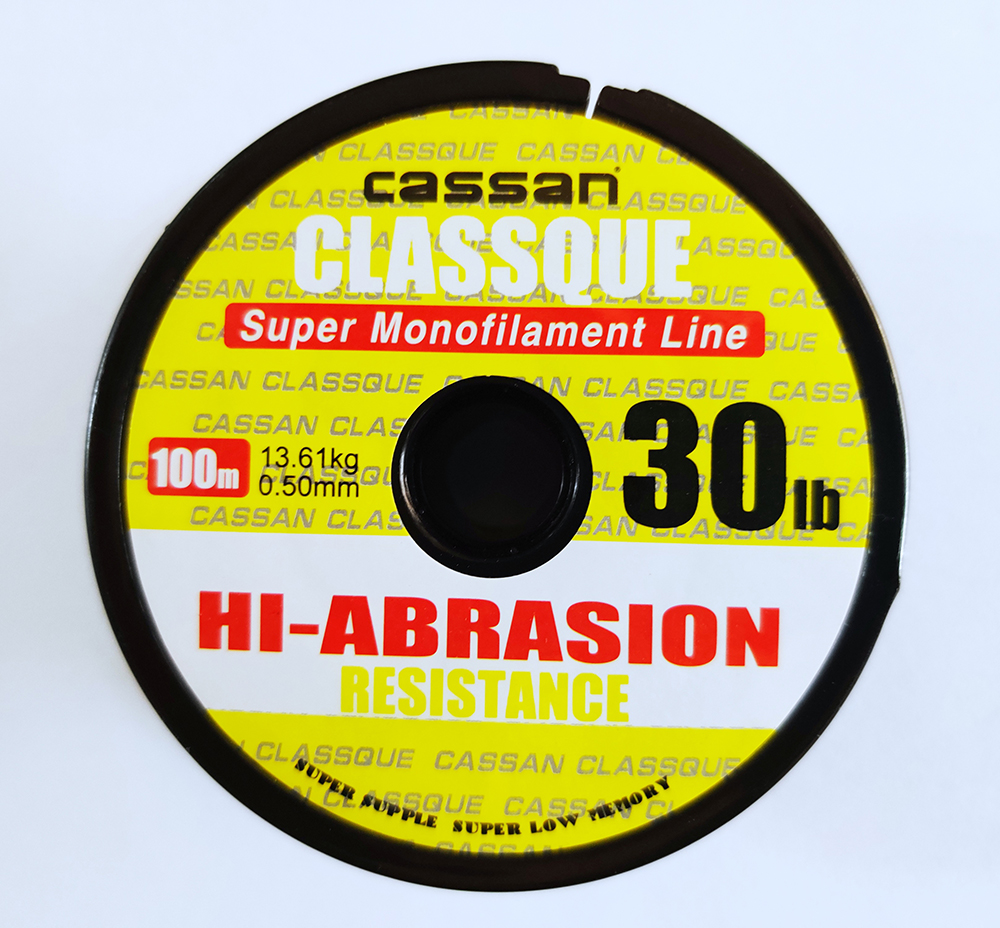
For tougher terrain, we keep CASSAN BRUTE in stock. Many of our regulars who fish rocky areas rely on it because it stands up to scrapes while still staying soft enough for smooth casting. And for those who want to control visibility, CASSAN AURA comes in different colours, letting anglers adapt to water clarity on the day.
When people ask us for the best monofilament fishing line, we don’t point to one spool. We ask where you’re fishing, what you’re targeting, and how you plan to fish. The “best” depends on matching line to conditions, not chasing a label.
Why It Still Competes with Alternatives
It’s true that braided and fluorocarbon lines offer advantages. Braid gives you extra casting distance and sensitivity. Fluorocarbon sinks quickly and is nearly invisible underwater. We stock both because anglers need options.
But here’s what we see in practice: braid requires careful knots and regular leader setups, while fluorocarbon is pricier and stiffer to handle. Mono fishing line, on the other hand, balances ease of use, affordability, and versatility. Many anglers run braid on one reel and keep mono on another, ready to switch depending on conditions. That says a lot about mono’s ongoing value.
Why We Still Recommend It
The continued popularity of monofilament fishing line isn’t about nostalgia. It’s about practicality. It’s the line we trust when teaching beginners, the backup we suggest when a customer needs a quick fix, and the mainline many seasoned anglers still prefer for surf casting or live-baiting.
We’ve seen it land trophy fish and save days that could have ended in frustration. For us, that makes mono more than just an option—it makes it a dependable partner.
So if you’re looking for the best monofilament fishing line for your next trip, come by Casa Ibrahim or browse our online store. We’ll help you choose the right spool for your reel, your water, and your target species. Because in fishing, confidence in your line is half the battle won.
FAQs :
1. Why is monofilament fishing line still so popular among anglers?
Monofilament remains popular because it’s easy to handle, forgiving under stress, affordable, and versatile for a variety of fishing conditions. Its stretch helps prevent snapped lines during sudden fish runs.
2. How do I choose the best monofilament line for my fishing trip?
The best line depends on where you’re fishing, the type of fish you’re targeting, and your fishing method. Casa Ibrahim can help match the right spool to your conditions and reel, ensuring optimal performance.
3. What makes monofilament easier for beginners?
Mono is soft, ties knots easily, and behaves well on reels. Beginners often find it easier to manage than braid or fluorocarbon, reducing frustration when rigging or casting.