

Estimated Read Time: 5 Minutes
Table of Contents
- Why Monsoon Fishing Needs a Different Kit
- Shore Fishing Tackle for the Rains
- Creek and Backwater Tackle for the Rains
- Tools, Storage and Gear Care
- How Casa Ibrahim Helps You Prepare
- Frequently Asked Questions
Key Takeaways
- Monsoon fishing needs tackle that can handle dirty water, stronger currents, slippery access and faster rust.
- Shore anglers need casting distance, corrosion-resistant hardware, leaders and sinkers in different weights.
- Creek anglers need control, abrasion resistance, smaller rigs and quick changes around roots, rocks and bridge edges.
- Pliers, cutters, dry storage, spare hooks, swivels and leaders are essentials during the rains.
- Casa Ibrahim helps anglers choose practical gear for local Goan shore, creek and rain-season fishing.
Why Monsoon Fishing Needs a Different Kit
A monsoon fishing session in Goa can change quickly.
Clear skies can turn into wind, muddy water and a stronger tide by the time you reach the spot. A clean beach may hold weed after rain. A creek that looked calm in summer may pull harder after a shower. Rocks, jetties and banks also become more slippery.
For anyone planning to fish in Goa during the rains, the tackle box must solve real problems. You need sinkers that hold the bottom when the current picks up. You need leader material when rocks, shells, roots, or bridge edges cut the line. You need spare hooks because rust sets in faster. You need pliers and cutters because wet hands make hook removal and knot work harder.
Carry what lets you adjust.
If you fish beaches like Bogmalo, Baina, Colva, Benaulim, Ashwem, or Morjim, you need distance, stability, and saltwater strength. If you fish areas such as Chapora Jetty or Betul rocks, abrasion resistance and grip matter more. If you fish Morjim Creek, Chapora backwaters, or Cortalim side waters, control and quick rig changes become important.
At Casa Ibrahim, we help anglers match tackle to the spot, method and season. A good monsoon kit keeps you fishing when conditions change.
Rain affects water clarity, current and gear life. Runoff pushes mud and debris into creeks, rivers and shorelines. Fish may respond better to scent, vibration, flash and bait placement. If the sinker is too light, the bait will not stay where fish are feeding.
Before leaving home, run your fingers along the line and leader. Check rod guides for cracks. Test the reel drag. Replace dull or rusty hooks. Open your tackle box and check for moisture. Many fish are lost because one weak part was ignored.
Shore Fishing Tackle for the Rains
For shore fishing during the monsoon, start with casting distance, line control and hardware strength.
A 7- to 9-foot spinning rod works for many Goa beach sessions because it helps cast beyond the first wash and gives better control over moving surf. Open beaches like Morjim, Ashwem, Colva, Betalbatim and Benaulim can need that extra reach. Compare fishing rods by length, power and casting weight.
Pair the rod with a reel that has smooth drag and can handle saltwater use. A sticky drag can break the line when a fish runs with the surf. Browse fishing reels if your current reel feels rough after saltwater sessions.
Line choice depends on the spot. Monofilament is easier for beginners because it has stretch and is forgiving. Braid gives better sensitivity and casting distance, but it needs a leader because rough ground can cut it quickly. Keep spare fishing lines or leader material if you fish often.
A practical shore fishing box should include hooks in at least three sizes, sinkers in different weights, rolling swivels, snaps, leader material and a few lures that cast well in wind. If the bait keeps rolling back, go heavier. If the water is calmer, reduce weight so the bait moves more naturally.
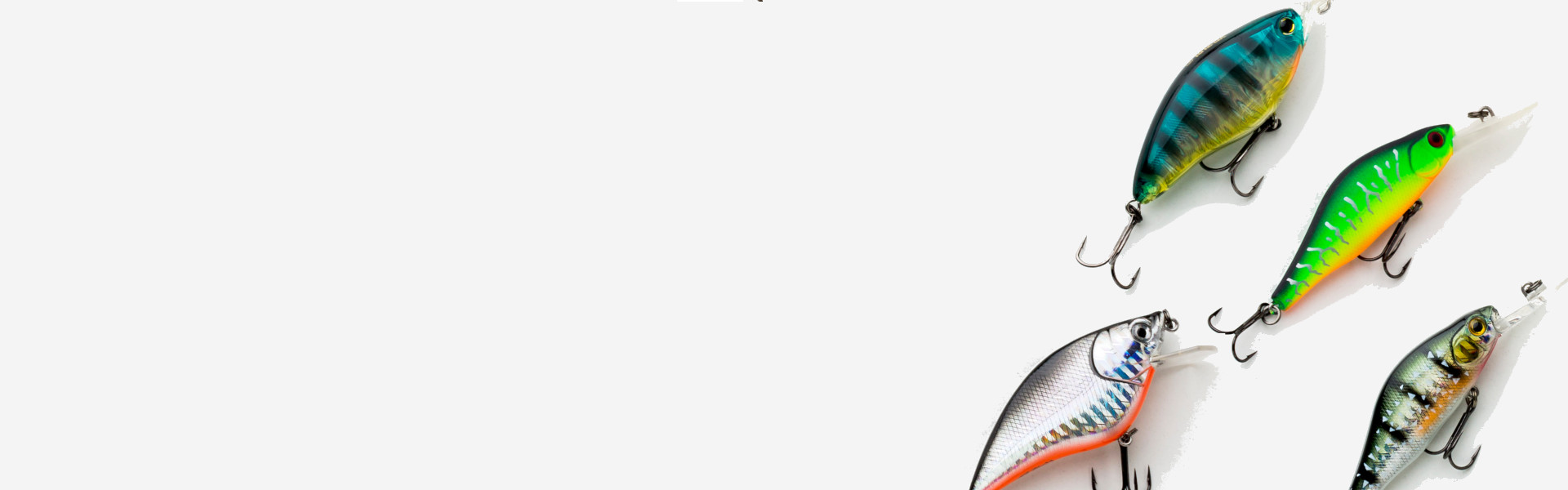
For lure fishing, stay focused. Carry one or two long-casting lures, one lure with stronger action for dirty water and one or two metal jigs for distance. The fishing lures and fishing jigs sections are useful for windy shore sessions.
Creek and Backwater Tackle for the Rains
Creeks, backwaters and river edges need control more than distance.
You are often fishing near mangrove roots, bridge pillars, muddy banks, stones, fallen branches and current seams. These areas hold fish, but they also create snags. Accuracy and abrasion resistance matter more than distance.
For creek fishing, a medium or light-medium rod is easier to manage than a heavy surf rod. You need enough strength to stop a fish from running into cover, but enough sensitivity to feel smaller bites. A smooth drag helps control fish near roots or bridge edges.
Local creek-style spots such as Morjim Creek, Chapora backwaters and Cortalim mangrove-side waters need a careful approach. Watch the tide, avoid restricted access and do not cast near local nets or boats.
Carry an abrasion-resistant leader, smaller hooks for prawns or small bait, stronger hooks for bigger bait, light and medium sinkers, swivels and snaps. Casa Ibrahim’s fishing hooks and rigging accessories pages are useful for these basics.
Pre-tied rigs help when rain, low light or wind makes knot-tying difficult. The Sabiki EX015 Fish Finder Rig is one ready-rig option for quick setup, depending on your target and method. You can also browse fishing rigs for other options.
Tools, Storage and Gear Care
Simple tools solve many monsoon problems.
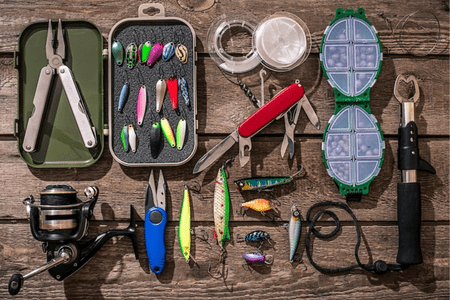
Long-nose pliers help remove hooks safely. Split ring pliers help replace lure hooks and rings. A proper line cutter gives cleaner tag ends and better knots than a biting line. A dry pouch protects leader spools, cash, phone and small packets of hooks.
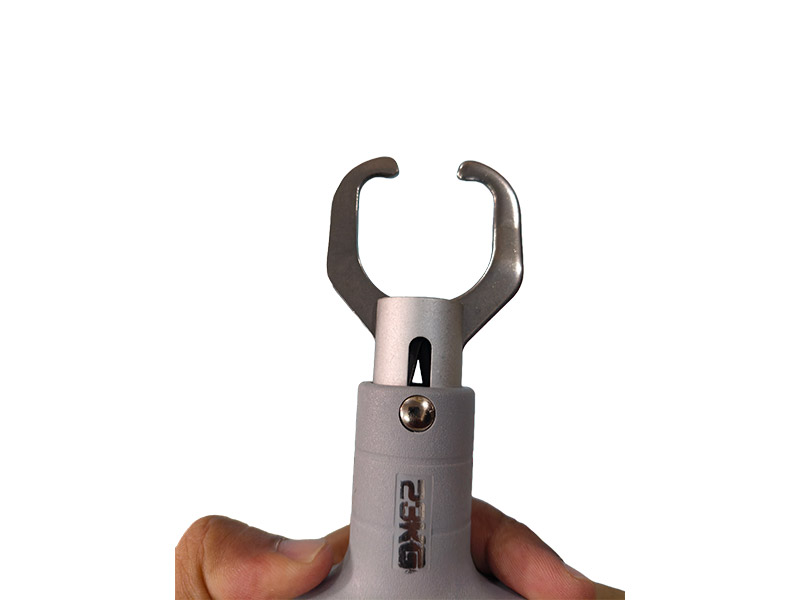
A tool like the Okuma Fish Lip Gripper with Weighing Scale can help with safer fish handling, hook removal and quick weighing. Casa Ibrahim’s fishing tools and fishing accessories categories help build this part of the kit.
This is where a local fishing tools shop matters. The right tools reduce injury risk, protect tackle and save time when the bite window is short.
Footwear is also part of the kit. Chapora Jetty, wet rocks around Betul, slippery bridge access points and muddy creek banks can become unsafe during rain. Avoid rough surf, lightning, algae-covered rocks and isolated stretches where exit is difficult.
After saltwater sessions, rinse rods, reels, lures, hooks and tools with fresh water. Dry everything before storing it. Keep wet used lures away from fresh hooks until they are cleaned. One wet lure can rust a whole section of the box overnight.
How Casa Ibrahim Helps You Prepare
The best tackle is the tackle that matches your fishing style.
If you fish beaches, focus on rod length, reel drag, leaders, sinkers and long-casting lures. If you fish rocky or jetty-style areas, focus on abrasion resistance, grip footwear and landing tools. If you fish creeks, focus on controlled rods, smaller rigs and quick replacements.
As a fishing tools shop in Vasco-da-Gama, Casa Ibrahim helps anglers choose gear for Goan conditions instead of copying a random online list. We stock rods, reels, lines, lures, hooks, jigs, rigs, rigging accessories, tools and accessories for sea, river, surf, offshore, inshore and lake fishing.
Beginners should start with one dependable rod and reel, main line, leader, hooks, sinkers, swivels, pliers, cutter, tackle box and two or three lure or rig options. Regular anglers should replace rusty hooks, check split rings, refill line, clean reels and organise lures before the season.
That is the value of shopping through a local fishing tackle shop. You can choose equipment based on actual water, technique and local conditions instead of buying tackle that does not help on the bank.
For serious fishing in Goa during the rains, prepare before reaching the spot. The beach, creek, or jetty is not the place to discover missing leaders, rusted hooks, or forgotten pliers.
Frequently Asked Questions
What should I carry if I fish both beach and creek spots?
Carry one setup that handles your main style, then separate your terminal tackle. Keep heavier sinkers and long-casting lures for beaches. Keep smaller hooks, lighter sinkers, leaders and pre-tied rigs for creeks. Tools, pliers, cutters and dry storage should stay common to both.
What is the first thing I should upgrade before monsoon fishing?
Upgrade the weakest failure point. For many anglers, that is old line, rusty hooks, weak swivels, poor split rings, or bad pliers. A new rod will not help much if the hook opens, the leader snaps, or the reel drag sticks during a run.
How do I choose sinker weight in rough water?
Use the lightest sinker that still holds your bait in the fishing zone. If the bait rolls back in the surf or drifts too fast in the current, go heavier. If the water is calmer, reduce weight so the bait moves more naturally.