

⏱ Estimated Read Time: 7 Minutes
Table of Contents
- Understand Your Shore Fishing Needs Before Buying Gear
- Choosing One Versatile Shore Fishing Rod
- Matching Your Rod with a Saltwater Spinning Reel
- Lines, Lures and Terminal Tackle: What You Actually Need
- A Practical Starter Tackle Checklist
- The Best Time and Places for Shore Fishing in Goa
- Keeping Your Equipment in Good Condition
- Build the Right Shore Fishing Setup with Casa Ibrahim
- Frequently Asked Questions
Key Takeaways
- Start with the type of shore fishing you intend to do. Beach casting, lure fishing around rocky areas and heavier surf fishing have different equipment requirements.
- An 8–10 ft spinning rod can be a versatile choice for many shore-lure applications, but casting-weight and line ratings matter more than length alone.
- You don’t need the largest reel available. Choose one that balances with your rod, accommodates the intended line and is suitable for saltwater use.
- A small selection of appropriate lures, reliable line, suitable leaders and basic terminal tackle is more useful than an oversized tackle collection.
- Clean and inspect your equipment after saltwater exposure, and consider weather, access restrictions and sea conditions before choosing a fishing location.
A good shore fishing setup doesn’t have to involve several rods, expensive reels and a tackle box filled with lures you may never use. For anglers exploring saltwater fishing along India’s coastline, the better starting point is understanding where you’ll fish, how you’ll cast and the kind of fish you’re hoping to target.
At Casa Ibrahim, we regularly assist customers looking for fishing equipment in India, including beginners preparing for their first coastal fishing sessions and experienced anglers refining their existing tackle. One of the most common questions is whether a single rod and reel combination can handle different shore fishing situations.
For many anglers, the answer is yes, provided the equipment is chosen for the right purpose. Here’s how to build a practical setup that covers your regular fishing needs without spending unnecessarily on specialised gear.
Understand Your Shore Fishing Needs Before Buying Gear
Shore fishing involves casting from land rather than fishing from a boat. Depending on the location, this could mean casting lures from a sandy beach, fishing around accessible rocky areas or working suitable spots along an estuary.
The important distinction is that these methods do not place the same demands on your equipment.
An angler casting lightweight lures near calmer water may benefit from a shorter, more responsive rod. Someone working metal jigs from an open coastline may need greater casting reach and a rod capable of handling heavier lures. Traditional surfcasting with substantial sinkers and bait can require a longer rod with a different casting-weight rating altogether.
Saltwater also brings additional considerations. Reels, rod guides, hooks and other metal components are exposed to salt deposits, moisture and sand, which can affect performance and cause corrosion if neglected.
Before buying, we recommend answering three questions: Will you primarily use lures or bait? Will you fish from beaches, accessible rocky ground or calmer estuarine areas? And what weight of lure or rig will you regularly cast?
These decisions will help you select the right equipment and avoid paying for capabilities you rarely need.
Choosing One Versatile Shore Fishing Rod
For anglers interested primarily in shore-based lure fishing, a spinning rod between approximately 8 and 10 feet can offer a useful balance of casting reach and handling comfort.
However, length should never be the only deciding factor. Every rod has a recommended lure-weight range, line rating and action. Those specifications determine which lures and fishing techniques it can handle effectively.
A longer rod may help with casting distance and keeping the line clear of some shoreline obstacles, but it can also be less convenient when fishing in confined spaces. Similarly, a powerful rod designed for heavier lures may not cast smaller lures efficiently.
At Casa Ibrahim, we recommend choosing according to the weight of the lures you actually intend to use.
PRO MARINE Articorsa: For Light Shore Jigging
The PRO MARINE Articorsa Light Shore Jigging Rod is worth considering for anglers who want a dedicated shore-lure setup with good casting reach.
Available in 9 ft, 9.5 ft and 10 ft lengths, the two-piece rods have a maximum listed lure weight of 60 g and a maximum line rating of PE #2.0. They also feature SeaGuide anti-tangle guides.
This makes the Articorsa relevant to anglers casting appropriately weighted metal jigs and other shore lures where additional reach is useful. It is not intended to replace a heavy surfcasting rod for substantial bait-and-sinker rigs.
Okuma Wave Power: A Value-Oriented Option
For anglers working within a more modest budget, the Okuma Wave Power offers several configurations.
The 7 ft model is rated for 20–60 g lures, the 8 ft model for 30–80 g and the 9 ft model for 30–100 g. These differences matter because the longest model is designed around heavier casting weights.
If your usual lures are relatively light, buying the 9 ft model simply because it offers greater length may not be the best decision.
Okuma Azaki: A Lightweight Alternative
The Okuma Azaki offers a different combination of weight and casting capability.
Its listed 9 ft model weighs approximately 165 g and carries a 20–60 g lure rating. This makes it an option worth comparing when you want a relatively lightweight rod for repeated casting within that range.
For long lure-fishing sessions, overall rod weight, handle comfort and balance with the reel can make a noticeable difference.
Our recommendation: If you’re buying your first dedicated shore rod, compare the lure-weight ratings before looking at price or length. One correctly matched rod is more useful than owning two that are poorly suited to the way you fish.
Matching Your Rod with a Saltwater Spinning Reel
A spinning reel for shore fishing needs to accommodate your intended line, provide smooth drag performance and withstand regular exposure to the coastal environment.
For many medium shore-lure setups, a reel around the 4000–5000 size range can be a reasonable starting point. However, reel sizing varies between manufacturers, so weight, line capacity and physical balance are more useful comparisons than size numbers alone.
A reel that is too heavy can make repeated casting tiring, while one with inadequate line capacity may limit your setup. Corrosion-resistant components are also worth considering, although no reel should be assumed completely waterproof simply because it is marketed for saltwater use.
Cassan Challenger 5000SW: A Lightweight Mid-Sized Option
The Cassan Challenger 5000SW is an option for anglers looking for a relatively lightweight spinning reel.
Its published specifications include a weight of 274.8 g, a 5.2:1 gear ratio, 6+1 bearings, an aluminium spool and a maximum drag rating of 9 kg.
These specifications make it worth comparing with medium shore rods, particularly when keeping the overall setup manageable is a priority. The maximum drag figure should not be confused with the drag pressure you should use while fishing, which depends on the line, rod and conditions.
Okuma Tomcat and Azores XP: For Different Demands
The Okuma Tomcat is a heavier-duty alternative. Casa Ibrahim’s listed 8000 model weighs approximately 631 g and offers a maximum drag specification of 16 kg, making it more appropriate to consider for substantially heavier applications than a lightweight casting setup.
The Okuma Azores XP range includes a 4000 model weighing 335 g, along with larger sizes. It features corrosion-resistant construction and a water-resistant drag design, making it worth considering for anglers who want a more robust saltwater-oriented reel.
For a beginner, however, a larger or more expensive reel is not automatically better. We recommend matching the reel to your rod and intended fishing method before considering additional features.
Lines, Lures and Terminal Tackle: What You Actually Need
Once you’ve chosen your rod and reel, the next step is building a simple, compatible tackle selection.
Mainline: Braid or Monofilament?
Braided line is popular for lure fishing because its relatively thin diameter and low stretch provide good sensitivity and can support efficient casting. For many medium shore-lure setups, 20–30 lb braid is a useful range to consider, provided it matches the rod and reel specifications.
Monofilament remains a practical alternative, especially for beginners who value affordability and a more forgiving line. Its stretch can help absorb sudden loads, while braid generally requires more attention to line management and drag settings.
Neither is automatically the correct choice for every application.
Leaders: Match the Strength to the Conditions
A leader provides an additional section of line between the mainline and the lure or rig.
Fluorocarbon and nylon monofilament are both used, with the choice depending on abrasion resistance, flexibility, shock absorption and the fishing method.
A lighter leader may suit smaller lures and less abrasive surroundings, while heavier leaders become relevant when fishing around rough structure or targeting stronger fish.
You do not automatically need a 40–60 lb fluorocarbon leader for every shore session. The leader should be selected to suit the setup, with a suitable shock leader used where heavy casting weights make one necessary.
Lures: Start with a Small, Useful Selection
Rather than buying every lure type available, begin with a few that cover different presentations.
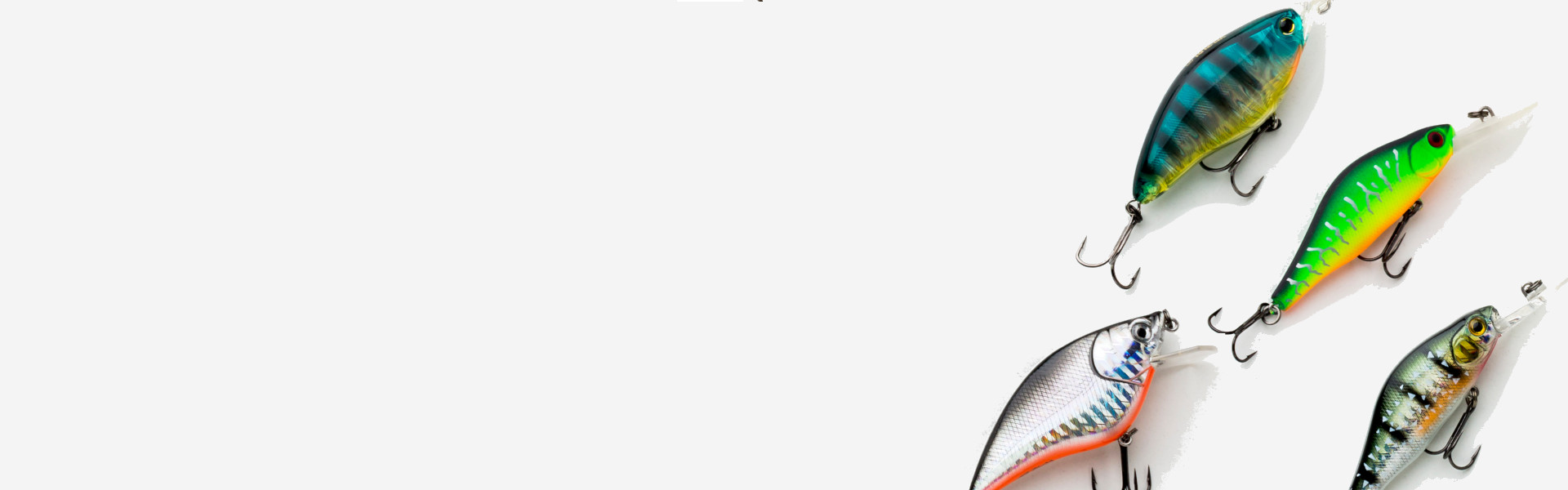
- Metal jigs or casting spoons: Useful when casting reach is important and you want to explore different depths through your retrieve.
- Minnows: Suitable for imitating small baitfish, with different models designed to swim at different depths.
- Surface lures: Worth adding when surface-feeding activity and conditions make topwater presentations appropriate.
Choose lure weights that fall within the rod’s casting range, leaving a sensible margin rather than repeatedly casting at its maximum limit.
For bait fishing, the essentials are different. Suitable hooks, sinkers, swivels and appropriately constructed rigs may be more useful than purchasing artificial lures.
Whatever your method, carry a few spare leaders, clips, hooks or other terminal components. These are often more important during a session than having several expensive alternatives to the same lure.
A Practical Starter Tackle Checklist
If you are assembling your first shore setup, this is where we recommend concentrating your budget.
| Equipment | What to prioritise | What can wait |
| Rod | One rod with the right casting-weight rating | Multiple specialised rods |
| Reel | Suitable size, line capacity and corrosion resistance | Oversized heavy-duty reels |
| Mainline | Quality braid or monofilament suited to the method | Several duplicate spools |
| Leader | Appropriate strength and abrasion resistance | Every available leader type |
| Lures or bait rigs | A small selection suited to your method | Large collections of similar lures |
| Tools | Pliers, line cutter and safe hook-removal equipment | Non-essential accessories |
| Safety | Suitable footwear, weather checks and safe access | Equipment that encourages unnecessary risk |
The most economical setup is not necessarily the cheapest combination on the shelf. It is one that suits the way you fish, works reliably and does not need immediate replacement because the components were poorly matched.
At Casa Ibrahim, we stock fishing rods, spinning reels and fishing lines across different specifications, allowing anglers to compare equipment according to their actual requirements.
The Best Time and Places for Shore Fishing in Goa
The fishing season in Goa is influenced by the monsoon, changing sea conditions, local fishing activity and the species being targeted.
For many recreational shore anglers, the post-monsoon months and the comparatively settled periods that follow offer more practical opportunities to fish. The period from around October through May is often considered for coastal fishing, but this should not be treated as a guaranteed window of safe conditions or consistent catches.
The monsoon can bring strong surf, changing currents and dangerous conditions around rocks and river mouths. Local fishing regulations and restrictions must also be considered, particularly around harbours, protected locations and regulated fishing areas.
Choosing a Suitable Shore Location
Goa offers different coastal environments, each requiring a slightly different approach.
Open sandy beaches may provide room for casting, provided there are no swimmers or other beach users within the casting area. Rocky shorelines can offer access to deeper water in some locations, but exposed or slippery rocks should be avoided when conditions are unsafe.
Estuaries and river mouths, including areas associated with the Chapora and Zuari rivers, present different fishing environments. However, strong currents, boat traffic, harbour restrictions and limited safe access mean that not every visible shoreline is an appropriate fishing spot.
We recommend checking locally permitted access and selecting locations according to your experience, equipment and current sea conditions rather than relying on a list of supposedly productive spots.
When Should You Cast?
Early morning and late afternoon are popular fishing periods, partly because light and temperature conditions can be more comfortable and some fish become more active during changing light.
Tidal movement can also influence feeding activity, but there is no universal rule that every location fishes best for two hours around high tide.
Water clarity, waves, current, baitfish activity and the species being targeted can all influence the session. For beginners, calm conditions and safe daylight access should take priority over chasing a particular tide or feeding window.
Keeping Your Equipment in Good Condition
Even properly selected saltwater tackle requires regular maintenance. Salt deposits, sand and trapped moisture can shorten the useful life of reels, guides, hooks and other components.
A simple routine after each session makes a difference.
- Rinse carefully: Use a gentle flow of clean freshwater to remove salt from rods and reels, following the manufacturer’s maintenance instructions. Avoid pressure-washing or immersing the reel.
- Remove sand: Wipe away visible sand and debris without forcing it into moving parts.
- Inspect the line: Check for fraying, cuts or damaged sections, particularly after fishing near abrasive surfaces.
- Check hooks and fittings: Replace rusty hooks, damaged split rings or weakened terminal components.
- Dry before storing: Allow equipment to dry thoroughly and store it away from prolonged moisture exposure.
Safety deserves equal attention. Avoid casting near swimmers, do not fish from restricted jetties or navigational approaches, and stay off exposed rocks during rough seas. When fishing around rocky coastal areas, appropriate non-slip footwear and suitable flotation equipment may be necessary, but neither makes dangerous conditions safe.
A little maintenance and sensible preparation will usually provide more long-term value than buying extra equipment that does not address your actual fishing needs.
Build the Right Shore Fishing Setup with Casa Ibrahim
Shore fishing is more enjoyable when your equipment suits the place you’re fishing and the technique you prefer. The goal isn’t to own more gear, but to make sure the rod, reel, line and terminal tackle work together.
At Casa Ibrahim, we help anglers explore suitable fishing equipment in India, from their first spinning setup to more specialised saltwater tackle.
Visit our shop at Shop No. 16, Municipal Market Building, Vasco-da-Gama, Goa, or browse our online fishing tackle collection to compare your options.
If you’re unsure where to begin, contact our team with your preferred fishing location, technique and budget so we can help you narrow down a practical setup without buying more than you need.
⭐⭐⭐⭐⭐ (5/5) by Bajrang Singh Sengar, Google Reviews “Fully stocked Hardware on fishing & netting. The only Shop in Goa to be so equipped.”