

⏱ Estimated Read Time: 6 Minutes
Table of Contents
- What Changes for Anglers in Goa During November?
- Choosing the Right Coastal Fishing Location
- Understanding Fishing Times and Tides in Goa
- Choosing the Right Fishing Tackle for November
- Safety Checks Before Your Fishing Trip
- Prepare Your November Fishing Kit with Casa Ibrahim
- Frequently Asked Questions
Key Takeaways
- November falls within Goa’s post-monsoon period, bringing different coastal conditions from the wetter months. However, calmer seasonal weather does not guarantee safe seas.
- The best fishing time in Goa depends on local tides, wind, sea conditions and the location you intend to fish.
- Beaches, creeks and rocky coastlines require different approaches to fishing equipment and safety.
- A suitable rod, reel, line, leader and a small selection of lures or rigs can cover many recreational fishing needs.
- Checking forecasts, local access restrictions and your equipment before leaving can prevent unnecessary risks.
{Instagram reel }
What Changes for Anglers in Goa During November?
November brings a change in pace along Goa’s coastline. The heavier southwest monsoon months are behind us, and recreational anglers can begin planning around the conditions commonly associated with the post-monsoon period.
According to the India Meteorological Department’s Climate of Goa, October, November and December form the transition between the monsoon and winter seasons. For anglers, this makes November a useful month to reassess their equipment, explore suitable coastal conditions and plan outings with greater attention to local forecasts.
However, fishing in Goa during November still requires preparation. Strong winds, changing wave conditions and tidal currents can affect a location even when the weather appears pleasant on land.
The 2026 monsoon fishing restrictions, which applied to specified fishing vessels and methods between 1 June and 31 July, are also distinct from the rules governing recreational shore angling. Anglers should always check the current regulations applicable to their chosen location and method.
At Casa Ibrahim, our focus is on helping anglers choose equipment that suits their fishing technique and conditions. Whether you’re planning to cast from a beach or explore permitted inshore areas, understanding the environment should come before choosing the tackle.
Choosing the Right Coastal Fishing Location
Goa has several coastal environments, but not every accessible shoreline is necessarily suitable or permitted for fishing.
Sandy Beaches and Open Shorelines
For anglers interested in shore fishing in Goa, accessible sandy beaches can provide space for practising casting and working suitable lures or bait rigs.
An open beach offers a different fishing experience from a creek or rocky coastline. Casting reach, surf movement and line control become important considerations.
Before setting up, observe the surf and check that there is enough space away from swimmers, beach activities and other people. Avoid casting where beach restrictions apply.
Creeks, Backwaters and River Edges
Creeks and estuarine areas present a different set of challenges.
Water movement can change with the tide, while structures such as submerged rocks, roots and bridge supports can increase the risk of snagging a fishing line.
A controlled casting setup and an appropriately selected leader may be more useful here than a longer rod designed primarily for open-beach casting.
Check local access permissions, avoid interfering with fishing nets or vessels and stay clear of unsafe riverbank edges.
Rocky Shores and Jetties
Rocky areas can appeal to more experienced anglers, but they demand particular caution.
Waves can wash over exposed surfaces, while algae, spray and wet rocks can make footing unreliable. Public access to a jetty does not automatically mean fishing is permitted there.
Do not fish from exposed rocks in rough conditions or enter restricted harbour and navigation areas. A promising-looking location is never worth an unnecessary safety risk.
Understanding Fishing Times and Tides in Goa
One question anglers regularly research is the best fishing time in Goa.
Early mornings and late afternoons are often considered because conditions can be more comfortable for fishing. However, neither period guarantees better results.
For coastal anglers, tidal movement and sea conditions deserve at least as much attention as the clock.
How Do Fishing Tides Affect Your Plans?
Understanding fishing tides in Goa begins with knowing when the water is expected to rise or fall at your particular location.
Tide predictions provide the expected times and heights of high and low water. Tidal currents describe the horizontal movement of water, which can be especially important around river mouths, channels and creeks.
The two are connected, but they are not identical. High tide does not necessarily mean that the current has stopped, and the strongest current does not always occur at the same stage of the tide.
For this reason, checking the tides for fishing in Goa should form part of your planning rather than become a promise of a particular catch.
What Should You Check Before Choosing a Time?
Start with three practical questions:
- What is the tide doing? Check location-specific high- and low-tide predictions and consider whether the changing water level could affect access.
- What are the wind and wave conditions? Strong swell or unexpected changes in wind can make an otherwise familiar spot unsafe.
- Can you safely leave the location? A rising tide may affect access along rocks, narrow beaches or other low-lying coastal areas.
The Indian National Centre for Ocean Information Services (INCOIS) provides ocean state forecasts covering factors such as waves, winds and currents.
These forecasts are useful alongside local weather information, tide predictions and any official warnings.
Choosing the Right Fishing Tackle for November
You do not need a completely new tackle collection simply because the season has changed.
What matters is whether your current equipment suits the type of fishing you intend to do.
Start with Your Rod and Reel
For open-beach lure fishing, a rod with suitable casting reach and a compatible spinning reel may be practical. In smaller or more confined areas, a shorter setup may be easier to handle.
Casa Ibrahim’s fishing rods catalogue includes spinning, telescopic and travel-oriented options, along with more specialised rod types.
One example is the Okuma Wave Power spinning rod, which is listed in our catalogue. Anglers considering this model should compare its available lengths and casting-weight specifications against their intended lures.
The reel should also match the rod, intended line and fishing method. Our fishing reels collection provides options across different reel types and configurations.
Check Your Fishing Line and Leaders
Saltwater exposure and contact with rough surfaces can affect fishing lines and terminal tackle over time.
Inspect your line for damaged sections, and replace components that show wear. When choosing a leader, consider the type of mainline, your intended technique and the possibility of contact with abrasive surfaces.
At Casa Ibrahim, our fishing lines collection includes braided, monofilament and leader options.
These include products such as X BRAID Nylon Shock Leader and X BRAID FC Absorber. Compare the exact diameter, strength and intended application before selecting a variant.
Carry a Small, Useful Selection of Lures and Rigs
Different fishing methods call for different presentations.
Casting spoons and metal jigs can be considered for appropriate distance-casting applications, while minnows, soft baits or bait rigs may suit other techniques and environments.
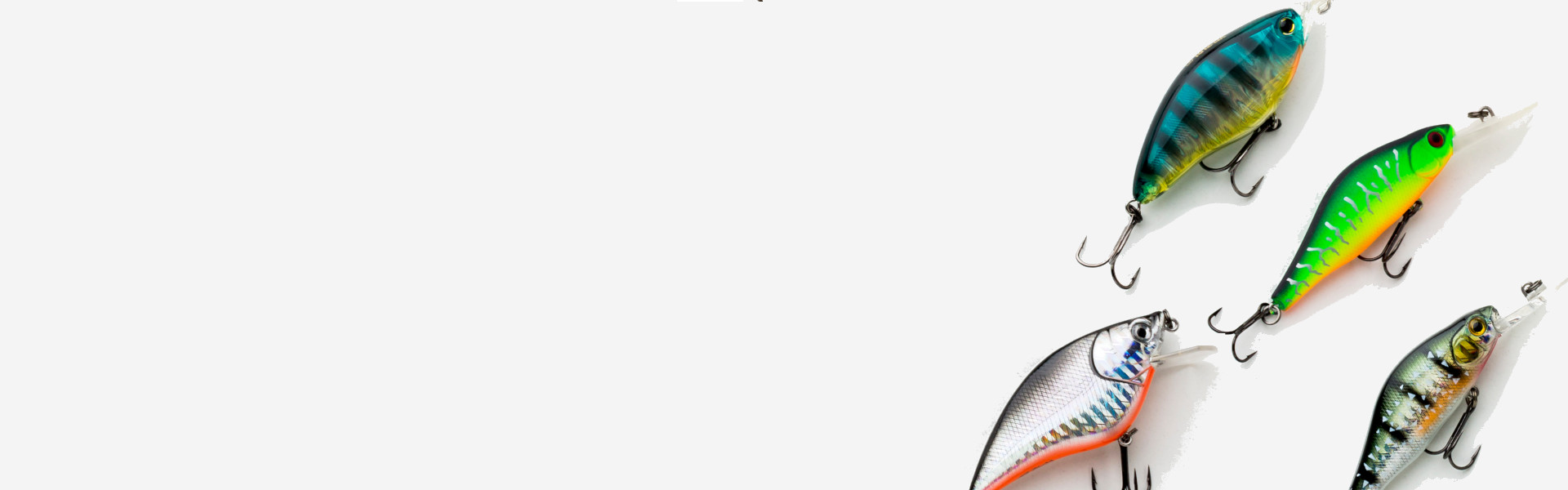
Our fishing lures catalogue includes multiple product ranges, including the Cassan Ultra Minnow. Its suitability depends on the chosen model, tackle specifications and fishing conditions.
Rather than carrying several versions of the same lure, start with a few options that match your rod’s casting range and your intended method.
Spare hooks, swivels, snaps and appropriate leader material are also worth keeping in the tackle box.
Safety Checks Before Your Fishing Trip
Even during the post-monsoon period, coastal fishing requires careful preparation.
Before leaving home, make a habit of checking the following:
- Weather and sea forecasts: Review the latest IMD information and INCOIS advisories, including warnings about rough seas or high waves.
- Local regulations: Confirm that fishing is permitted at your chosen location and that your method complies with applicable rules.
- Fishing equipment: Inspect rod guides, reel drag, line, hooks and connections for damage.
- Personal safety: Carry drinking water, suitable footwear, a charged phone and any appropriate protective or flotation equipment.
- Location awareness: Avoid isolated areas, exposed rocks, restricted jetties and locations where rising water could block your exit.
If you plan to fish from a vessel rather than the shore, additional rules may apply. Goa’s Directorate of Fisheries publishes specific guidance for regulated sport-fishing vessel operations.
It is also good practice to remove damaged line, used hooks and other fishing waste rather than leaving them behind.
Prepare Your November Fishing Kit with Casa Ibrahim
A well-prepared fishing trip begins with understanding where you intend to fish and what your equipment needs to do.
At Casa Ibrahim, we offer fishing rods, reels, lines, lures, hooks, jigs, rigs, rigging accessories and practical fishing tools through our product catalogue.
For someone preparing a first coastal fishing setup, a manageable rod and reel combination, compatible line, suitable terminal tackle and essential tools are a sensible place to start. More specialised equipment can be considered as your experience and fishing requirements develop.
You can explore our products online or visit Casa Ibrahim at Shop No. 16, Municipal Market Building, Vasco-da-Gama, Goa.
When enquiring about equipment, share where you plan to fish, whether you prefer bait or lures, and your approximate budget. This can help narrow down suitable product options without buying equipment you may not need.
⭐⭐⭐⭐⭐ Leonard Edbrooke
“Excellent fishing tackle and supplier. One of my old friends Nasir Bhai.”
Source: Justdial | 22 July 2016