

⏱ Estimated Read Time: 7 Minutes
Table of Contents
- Why Hooks and Leaders Deserve More Attention
- Choosing the Right Fishing Hook for Saltwater
- How to Choose the Right Hook Size and Material
- Fishing Leaders: Monofilament, Fluorocarbon or Wire?
- Matching Your Hook, Leader and Mainline
- What to Check Before Buying Saltwater Fishing Tackle
- Find Suitable Hooks and Leaders at Casa Ibrahim
- Frequently Asked Questions
Key Takeaways
- Choosing saltwater fishing hooks involves more than finding the right size. Hook pattern, wire thickness, material and the fishing method all matter.
- Hook sizes are not perfectly standardised between manufacturers. Compare the actual hook dimensions and intended application before purchasing.
- Fishing leaders protect the connection between your mainline and hook or lure, with different materials offering different levels of flexibility, stretch and abrasion resistance.
- Fluorocarbon, nylon monofilament and wire leaders have different uses. The strongest or most expensive option is not automatically the most suitable.
- Matching hooks, leaders and connecting components to your fishing setup helps avoid incompatible purchases.
Why Hooks and Leaders Deserve More Attention
When buying fishing equipment, most people spend considerable time comparing rods, reels and lures. Hooks and leaders often receive attention only when it’s time to complete the setup.
Yet these smaller components perform an important job. The hook must suit the bait or lure, while the leader needs to work with the mainline, fishing method and conditions.
A hook can be sharp but unsuitable for the bait you’re using. A leader may have an impressive breaking-strength rating but be unnecessarily thick or stiff for a lightweight lure.
Saltwater adds another consideration. Hooks and metal fittings are exposed to salt and moisture, while fishing near rocks, shells and other underwater structures can subject lines and leaders to abrasion.
At Casa Ibrahim, our catalogue includes fishing hooks, leader lines and rigging accessories for different techniques. Understanding their specifications can help both beginners and experienced anglers choose compatible equipment.
Before purchasing any saltwater fishing tackle, begin with how and where you intend to fish.
Choosing the Right Fishing Hook for Saltwater
Fishing hooks come in several designs, each with a different purpose. The shape of the hook, its point, gap and wire thickness can influence how it performs.
Single Hooks for Bait Fishing
Single hooks have one point and are commonly used with natural bait and various fishing rigs.
One traditional design is the O’Shaughnessy hook, recognised by its relatively straight shank and distinctive bend.
Our catalogue at Casa Ibrahim’s includes Cassan O’Shaugnessy Stainless Steel Fish Hooks, described as being made from stainless steel for increased resistance to corrosion.
These are worth comparing when selecting hooks for an appropriate saltwater bait-fishing application. However, anglers should still check the available sizes, wire thickness and intended rigging method.
Stainless steel also deserves a qualification. While it resists corrosion, hooks intended for catch-and-release fishing may require different considerations. Where a hook cannot be safely removed, non-stainless options are generally preferred because they are more likely to corrode over time.
Treble Hooks for Artificial Lures
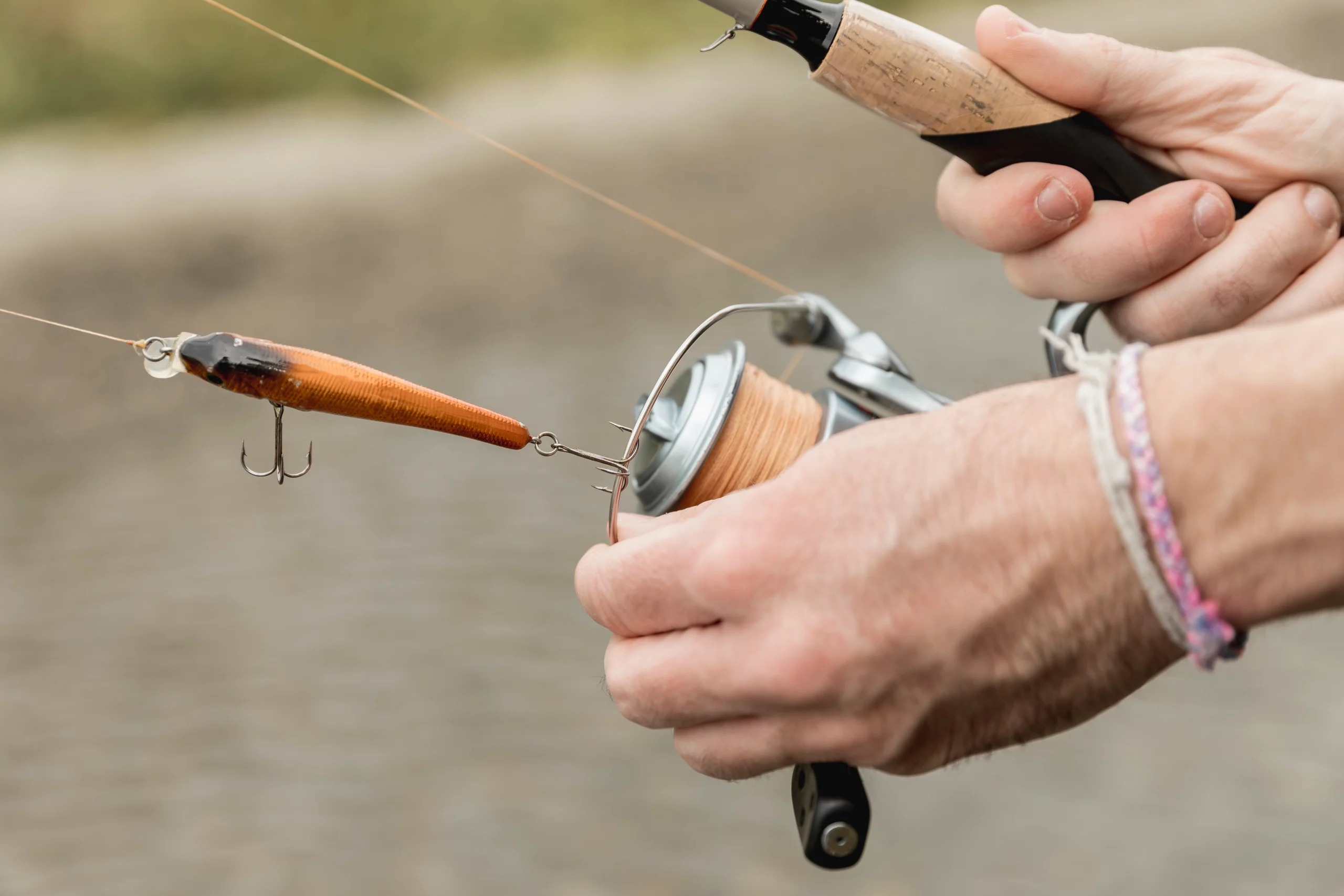
Treble hooks feature three points connected to a common shank. They are commonly used on hard-bodied artificial lures and some other fishing presentations.
Casa Ibrahim’s Fishing Hooks collection includes products such as the Vanfook TAKUMI Treble Hook, Mustad Treble Hooks and Maruto Round Treble Hooks.
For anglers replacing hooks on an existing lure, the important checks are the hook’s dimensions, weight, strength and compatibility with the lure’s split rings.
Replacing a damaged treble hook with a considerably heavier one can affect the lure’s balance or swimming action.
Treble hooks also have multiple exposed points, so take particular care during hook removal and fish handling.
What About Circle Hooks?
Circle hooks are designed with a point that curves inward towards the shank.
They are commonly considered for appropriate bait-fishing applications, particularly where reducing deep hooking is important. Research and fisheries guidance indicate that suitable circle hooks can improve outcomes for released fish.
However, they are not interchangeable with every traditional hook pattern, and the fishing technique matters.
Anglers considering circle hooks should check the target species, bait presentation, local regulations and the exact hook design.
Note: Circle hooks are discussed here as a hook category, not as a confirmed product currently offered by Casa Ibrahim.
How to Choose the Right Hook Size and Material
Selecting a fishing hook by its size number alone can be misleading.
Fishing hooks commonly use numbered sizes such as 8, 6, 4, 2 and 1, followed by larger sizes expressed as 1/0, 2/0, 3/0 and so on.
However, hook dimensions are not perfectly standardised across brands and patterns. A 2/0 hook from one manufacturer may have a different gap, shank length or wire diameter from another.
When comparing saltwater fishing hooks, pay attention to the following:
- Hook gap: The distance between the point and shank must suit the bait or lure and allow the hook to function properly.
- Wire thickness: Heavier wire may be appropriate for demanding applications, while lighter wire can suit more delicate presentations.
- Hook point: Inspect the point for sharpness, bending or damage.
- Material and finish: Stainless steel, coated carbon steel and other finishes offer different properties for corrosion resistance and intended use.
- Hook pattern: Choose a design compatible with your bait, lure and fishing technique.
A small hook may suit a small bait presentation, while a larger bait may require a different gap and shape.
There is no universal hook size that works for every fish or saltwater location.
If you’re selecting a fishing hook online, compare the product’s actual specifications instead of assuming that a familiar size number will match your existing hooks.
Fishing Leaders: Monofilament, Fluorocarbon or Wire?
A fishing leader is a section of line connected between the mainline and the hook, lure or rig.
It can provide abrasion protection, absorb sudden loads or create a less visible connection near the bait or lure, depending on the material used.
Three common leader choices are nylon monofilament, fluorocarbon and wire.
Nylon Monofilament Leaders
Nylon monofilament is a practical option for anglers who value flexibility, stretch and manageable knot tying.
Its ability to stretch can help absorb sudden loads during casting and fishing.
Casa Ibrahim’s catalogue includes the X BRAID Nylon Shock Leader, also identified as Castman Absorber. The product is described as a flexible nylon monofilament shock leader designed to provide shock absorption while maintaining manageable handling.
This makes nylon worth comparing for appropriate casting and lure-fishing applications, provided the selected strength and diameter suit the equipment.
Fluorocarbon Leaders
Fluorocarbon is another commonly used leader material, valued for its relatively low underwater visibility and abrasion resistance.
It is generally denser and stiffer than nylon monofilament. These characteristics can make it useful around certain underwater structures, although they may also affect knot tying and lure movement.
At Casa Ibrahim, you can check our listed X BRAID FC Absorber, a fluorocarbon leader described as combining surface toughness with flexibility.
Another option in our catalogue is the Cassan Classique Fluorocarbon Shock Leader.
For someone fishing around abrasive structure, fluorocarbon may be worth considering. However, it isn’t automatically superior to nylon for every technique.
In particular, leader stiffness and sinking behaviour can influence presentations involving lightweight or surface lures.
Wire Leaders
Wire leaders serve a different purpose.
They are commonly considered when targeting fish with teeth capable of cutting through ordinary nylon or fluorocarbon leaders.
Casa Ibrahim’s catalogue also lists a Cassan Premium Black Nylon Coated Wire Trace, made from coated stainless-steel wire.
Wire can provide additional bite protection in suitable applications, but it may also affect lure action and presentation.
Choose it when the fishing method and likely target species justify its use, rather than adding wire to every saltwater setup.
Matching Your Hook, Leader and Mainline
A fishing setup works as a connected system. The hook, leader and mainline should be selected together, rather than treated as separate purchases.
For example, an angler using braided mainline for shore-based lure fishing may need a nylon or fluorocarbon leader suitable for the lure and fishing conditions.
Someone using natural bait on a different rig may have other requirements for hook shape, leader diameter and connecting components.
Three checks are especially useful before assembling your rig.
1. Compare Leader Strength and Diameter
A leader’s stated breaking strength is important, but it isn’t the only specification worth considering.
Diameter affects flexibility, water resistance, visibility and how the line behaves around the bait or lure.
Rather than choosing the heaviest leader available, compare the leader with your mainline, rod rating, drag settings and intended fishing technique.
2. Check Knots and Connections
The connection between mainline and leader needs to suit the materials being joined.
Different knots are commonly used for braid-to-leader connections, including the FG knot and Double Uni knot.
Whichever connection you use, follow suitable tying instructions and test it before fishing. Poorly seated or incorrectly tied knots can weaken the setup.
For wire traces and other specialist connections, use the correct fittings and manufacturer-recommended method rather than assuming an ordinary line knot will work.
3. Inspect Hooks and Rigging Accessories
Hooks and leaders are only part of the terminal tackle.
Swivels, snaps, split rings and other connections should be appropriately sized and rated for the intended application.
Casa Ibrahim’s catalogue includes separate rigging-accessory and fishing-tool categories.
One practical example is our Split Ring Pliers, designed for tasks such as changing lure hooks and split rings, cutting wire and crimping.
A few properly chosen replacement components can be more useful than carrying numerous hooks and leaders that do not match your equipment.
What to Check Before Buying Saltwater Fishing Tackle
Before purchasing hooks or leaders, use this checklist to narrow down the right specifications.
| What to check | Why it matters |
| Fishing method | Bait fishing, lure fishing and jigging may require different hook and leader arrangements. |
| Hook pattern and size | Check the gap, shape and intended use instead of relying on the size number alone. |
| Hook material | Consider corrosion resistance, durability and whether catch-and-release is intended. |
| Leader material | Nylon, fluorocarbon and wire differ in stretch, flexibility and abrasion or bite resistance. |
| Strength and diameter | Match the leader and connections to the rest of the fishing setup. |
| Exact product variant | Check available sizes, specifications, pack quantity and current price before purchasing. |
This approach is useful whether you’re assembling a first fishing kit or replacing worn components.
Saltwater equipment also benefits from routine inspection. Replace rusty or damaged hooks, check leaders for rough or abraded sections and store clean, dry tackle appropriately after fishing.
Good maintenance can help you make better use of the saltwater fishing tackle you already own.
Find Suitable Hooks and Leaders at Casa Ibrahim
Buying a hook or leader is a small decision compared with purchasing a new rod or reel, but getting the specifications right matters.
At Casa Ibrahim, our catalogue includes single hooks, treble hooks, braided lines, nylon and fluorocarbon leaders, along with rigging accessories and fishing tools.
If you are planning to buy fishing hooks online, begin by identifying the hook pattern, size and application you need. The same applies to leader material, where breaking strength, diameter and compatibility should guide your choice.
You can explore our fishing equipment catalogue or visit Casa Ibrahim at Shop No. 16, Municipal Market Building, Vasco-da-Gama, Goa.
If you’re unsure which option suits your equipment, share your mainline specifications, fishing method and intended use when making an enquiry.
Our catalogue provides a starting point for comparing products, and our team can help you narrow down the options based on the information available for each model.
Customer Experience
Vinu Varghese
“Good store for fishing accessories.”
Source: Fishing-shop directory (InfoAboutCompanies)